
BICA AND THE SANDY BAY MARINE RESERVE
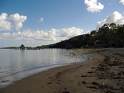
Besides community education, monitoring building practices on the island, advocating for sound environmental practices, initiating a trash cleanup progam, continuing its environmental education progam in the schools, BICA also manages the Marine Reserve which encompasses the communities of Sandy Bay, West End, West Bay, and Key Hole.
The Marine Reserve on the Western end of the island was spearheded by Tino Monterroso in 1988. Tino, as an avid diver, had become aware of the deteriorating condition of the reef. He met with consultants who did the first reef studies for the Government of Honduras. The results of the studies showed that the reef around the Sandy Bay – Palmetto areas had suffered the most adverse impacts, caused by sedimentation, overfishing. and physical damage from anchors and poor diving practices. For two years, Tino and others spoke with and educated the local community about the importance of a marine reserve for the survival of the reef and built local support from the community for the Reserve.
The Reserve was established by municipal decree in 1989 and 1993. It is currently in the process of obtaining National status from the Honduran Government.
The Marine Reserve was initially supported by voluntary contributions from diving businesses and concerned individuals. Unfortunately, because the contributions were voluntary, funding was unpredictable from year to year and was never sufficient to allow the Reserve to grow institutionally. The Reserve was an important beginning but it could not afford to do all the things it needed to do.
BICA'S ROLE IN SAVING THE MARINE RESERVE
Around 1995 the Reserve faced financial collapse as businesses pulled back their voluntary contributions. The Board of Directors requested BICA's assistance with the maintenance of the Reserve. The next year, BICA signed a management agreement with the Government of Honduras to manage the Reserve. Unfortunately, the Government provided no funds to BICA for the job. So BICA began a three year fundraising campaign to solicit funds from outside sources to manage the Reserve. BICA continued to manage the Reserve with limited funds, all voluntarily raised. USAID was the main donor, along with Funcacion Vida, a Honduran foundation.
Around 1998, The Bay Islands Management Project was now in the works. BICA worked to get the Marine Reserve funded until the PMAID program got started. PMAID was to institute a tourist fee for all the Bay Islands to fund marine and terrestrial protected areas. BICA secured funding between 1998 and 2002 to keep the Reserve operating. At the present time, there is still no permanent funding for the managment of the Marine Reserve. Voluntary contributions from concerned individuals like you are still critical to the success of the Reserve.
PATROLS IN THE MARINE RESERVE HAVE HELPED THE REEF RECOVER
The first board of directors headed by Tino Monterroso and Professor Julio Cruz, with financial support from Anthony's Key Resort and Pirates' Den Hotel implemented the reserve patrol program. BICA continued implementing the patrol program in the Marine Reserve to implement related activities and to curb poaching. To maximize the effectiveness of our limited resources, BICA conducts constant evaluations of the success of the patrol plan, identifies critical areas in each community and shifts resources to these areas as needed, identifies repeat offenders and monitors the penalites given for poaching; and finds out who the poachers are and why they poach. The patrols have had a significant effect on poaching, even though they are not as extensive as we would like. There was and is understandable frustration by all concerned that poaching continues in the Reserve.
We are proud of what we have accomplished. A recent study by PMAIB indicates that the marine protected areas contribute to fisheries recovery and enhancement. The patrol program implemented by the initial marine reserve board, BICA’S ongoing involvement and our community partners all have contributed to the recovery of fisheries in this protected area. especially when compared to areas outside the Reserve that are over fished and of course compared to the status of a depleted reef in 1989 when the Reserve was formed. These studies show a higher biomass rate and higher number per individuals in the Reserve than in any other site on the island. This is an indicator of the success of our patrols and related activities implemented since 1989.
POVERTY IS A MAIN CAUSE OF POACHING IN THE MARINE RESERVE
One of the lessons we have learned over the years is that poverty is the driving force in poaching. To truly eliminate poaching, there must be alternatives to poaching for those who do so to feed their families. of this illegal activity; especially as our communities continue to grow and in the absence of viable alternative that will reduce existing poverty rates. Many authorities are not keen to send poachers to jail on a permanent basis when these individuals in many cases poach to feed their families whether it’s illegal or whether we agree or not. A patrol program is a specific activity with specific goals that can and will lead to fisheries protection and recovery as the recent Pmaib, studies have shown. Unfortunately poverty and other social issues will only allow a percentage of control. Part of a long term strategy to protect our resources is the reduction of poverty rates in our communities.
THE LONG TERM OUTLOOK FOR THE MARINE RESERVE
Protected area management is a challenge that requires sufficient funding, a long term strategy, and collaboration among the local community, others who use and enjoy the area, and many governmental agencies. The threat to the reef is not just from poaching and physical reef damage by snorkelers, anchors, etc. Human behavior on the land, such as sedimentation of the Reef from poor development practices, run-off caused by deforestation, and high nutrient input also endanger this fragile ecosystem.
WHAT YOU CAN DO TO HELP SAVE THE REEF
Join BICA. Use good practices when diving or snorkling. If you are building on the island, make sure your builder is doing it properly. Protect the mangroves and the seagrass that filter the sediment and protect the reef and the land. Volunteer with BICA.
THE ROATAN MARINE PARK
At present, THE ROATAN MARINE PARK, a local non-profit based in West End has been formed and patrols the Marine Reserve to help control poaching. BICA applauds their efforts to help preserve the Reef. A collaborative, broad-based community effort can only have benefits for the entire island community.